
Brand Identity vs. Just a Logo: What Founder-Led Fashion and F&B Brands Actually Need
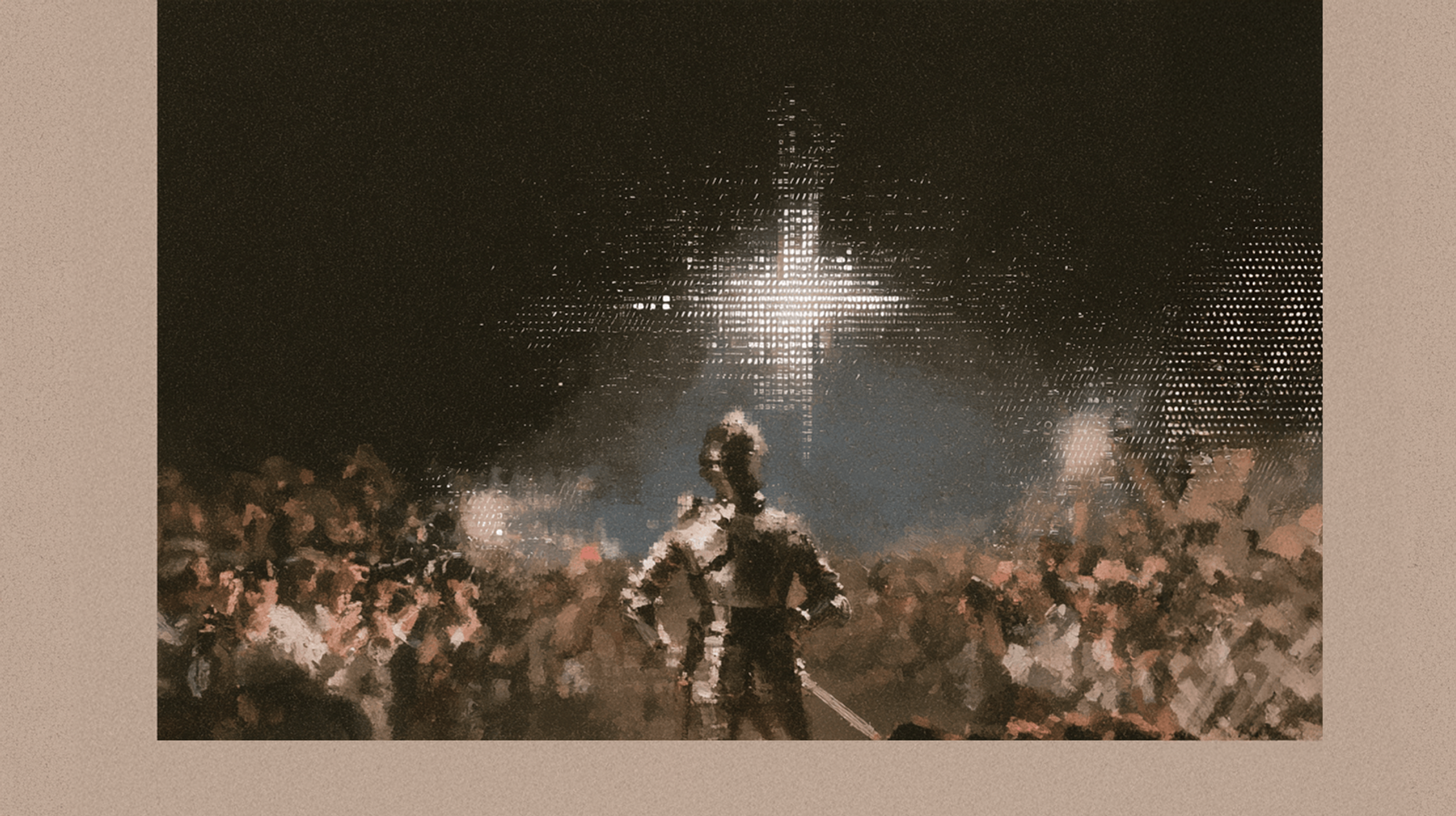
Spoiler: it's rarely just a logo.
“I just need a logo.” We hear a version of this in almost every first conversation with a new founder. It's an understandable place to start: a logo feels finite, affordable, done in a week. Nine times out of ten, it's the wrong ask. Not because the founder is wrong to want something simple. Because a logo alone was never built to do the job they actually need done.
Here's the difference, and why it matters more than it sounds like it should.
A logo is one mark. That's it.
A logo is the shorthand. It's the symbol or wordmark that represents you in a small space: a favicon, a business card, the corner of an Instagram grid. On its own, it has no colour system, no typography rules, no voice, no instructions for how it behaves anywhere else. It's one piece of a much bigger system. Left to fend for itself, it tends to buckle the moment it meets the real world: stretched across a menu, squashed onto packaging, one colour on the website and a slightly different one on the storefront sign, because nobody wrote down which green was actually the green.
A brand identity is the system the logo lives inside.
It's the palette and the logic behind it. The typography for headlines versus body copy. The tone of voice that shows up in your captions and your menu descriptions. A set of rules for how all of it behaves across touchpoints: packaging, signage, social templates, your website, even your invoices. Done properly, it means anyone on your team can make something on-brand without asking you first. That consistency is what turns “recognisable” into “memorable,” and memorable is the entire point.
This matters more if your brand lives off a screen, not just on one.
If you're a founder in fashion, food and beverage, or boutique hospitality, your brand doesn't stay politely inside a browser tab. It lives on a swing tag, a takeaway box, a chalkboard menu, a storefront awning, a delivery bag handed to a stranger on a bike. Every one of those is a moment where an under-specified logo quietly falls apart, because nobody told it how to behave once it left the business card. A full identity is what makes all of those moments feel like they belong to the same business, even designed months apart, by different people, under deadline.
A logo is a costume. A brand identity is a personality.
A quick gut check.
Ask yourself three things. Will this need to show up anywhere other than a screen? Will someone other than you ever need to use it: a printer, a social media manager, a packaging supplier? Do you already have a considered palette, type system, and tone of voice, and you're genuinely just missing the mark itself? Two yeses and a no means you don't need a logo. You need an identity, and pretending otherwise now just means paying for it twice, later.
Where to start.
We build brand identity in three tiers: Mark & Palette, Full Identity, and Identity + Applications, depending on how much of the system you already have and how far it needs to travel. If you're not sure which one fits, that's worth a conversation before you commission “just a logo” and find yourself redoing it in a year.