
Why Product and Food Photography Make or Break a Boutique Hospitality Brand
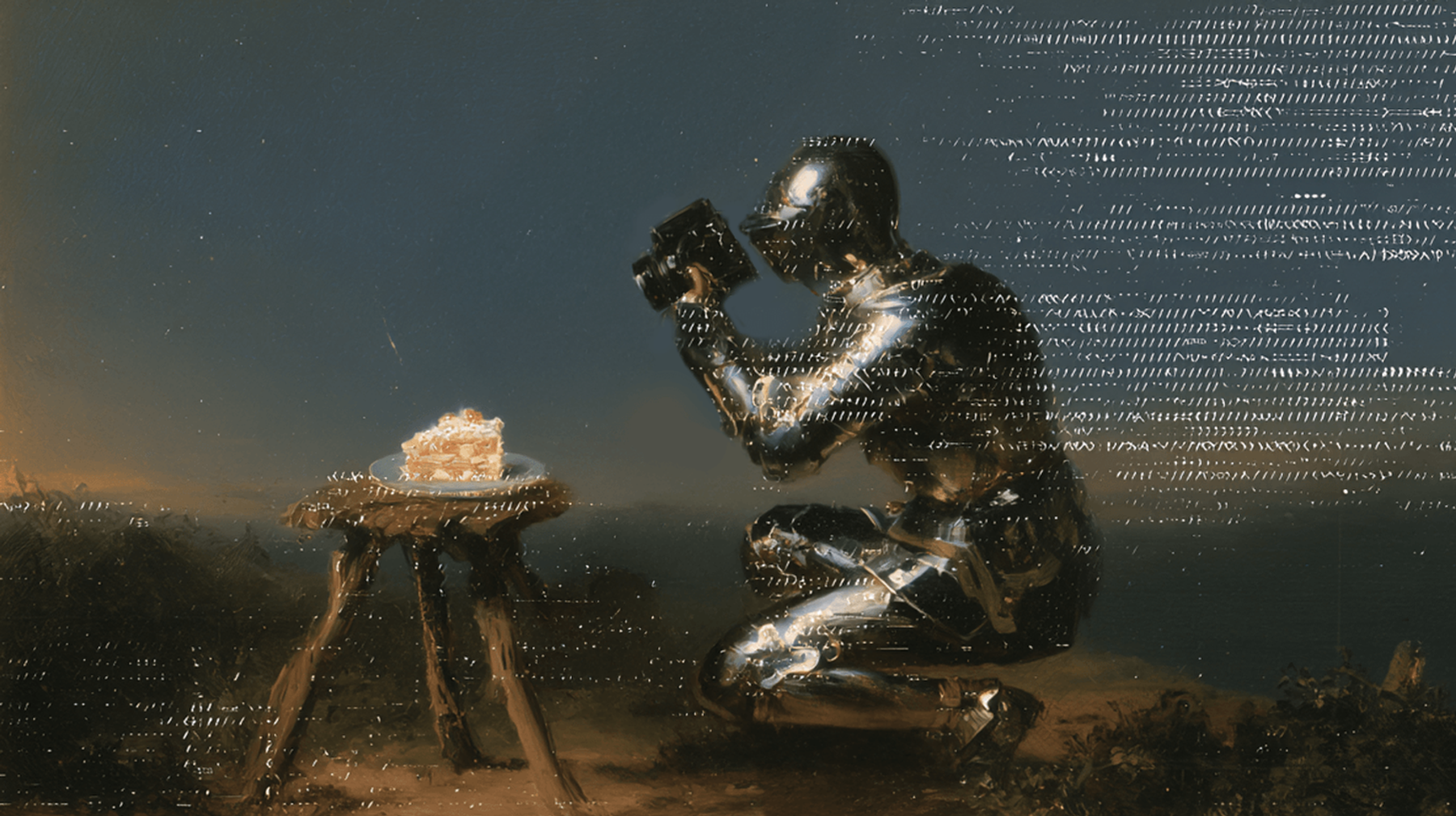
People eat with their eyes first. Then they scroll.
Somewhere, right now, a genuinely brilliant dish is being photographed on a phone, in bad overhead light, between the lunch and dinner service, by someone who is thinking about seventeen other things. The food is excellent. The photo does not know that. And on a menu, a delivery app, or a Google listing, the photo is the only thing doing the talking, because nobody scrolling has tasted anything yet.
That gap is more expensive than most founders realise.
Good food and good food photography are not the same skill.
There's a strange asymmetry in hospitality: founders will spend months perfecting a menu, sourcing ingredients, training staff on plating down to the millimetre, and then hand the final proof of all that work to whatever camera happens to be nearby. The dish deserved better than a rushed phone shot. So does the business.
Styling, light, and story: not just a nicer camera.
It's not really about equipment. A trained eye considers the angle that makes a dish look like it was made for that exact photo. The light that makes texture, steam, and glaze read the way they're meant to. The small details, like a linen napkin, a hand mid-pour, deliberate negative space, that suggest a whole world around the product rather than just the product sitting there, alone, under a fluorescent light. That's the difference between a photo that documents your food and one that sells it before anyone's even walked in.
This isn't a website problem. It's everywhere.
Menu design. Instagram grid. Google Business listing. The thumbnail on a delivery app, which is often the entire decision-making moment for a hungry stranger scrolling at 8pm. Increasingly, it's the press and influencer coverage that decides whether people hear about you at all. A consistent, art-directed photo library across every one of those touchpoints compounds: it's the difference between a brand that looks considered wherever a customer meets it, and one that looks like three different businesses depending on which app they found you on.
To be direct about what we actually shoot.
Product, food, and brand or lifestyle photography and videography. Not events, not hospitality functions, not corporate headshots. That's a deliberate line, not an oversight, because it lets us go deeper on the work that actually builds a brand instead of spreading thin across everything a camera could technically be pointed at. If what you need is a photo of your signature dish that makes someone stop mid-scroll, or a product shot that makes your packaging look as good online as it does in hand, that's exactly the work we're built for.
If your food, your product, or your space is better than your current photos suggest, that gap is quietly costing you more than you'd think, and it happens to be one of the more fixable problems a hospitality brand can have.